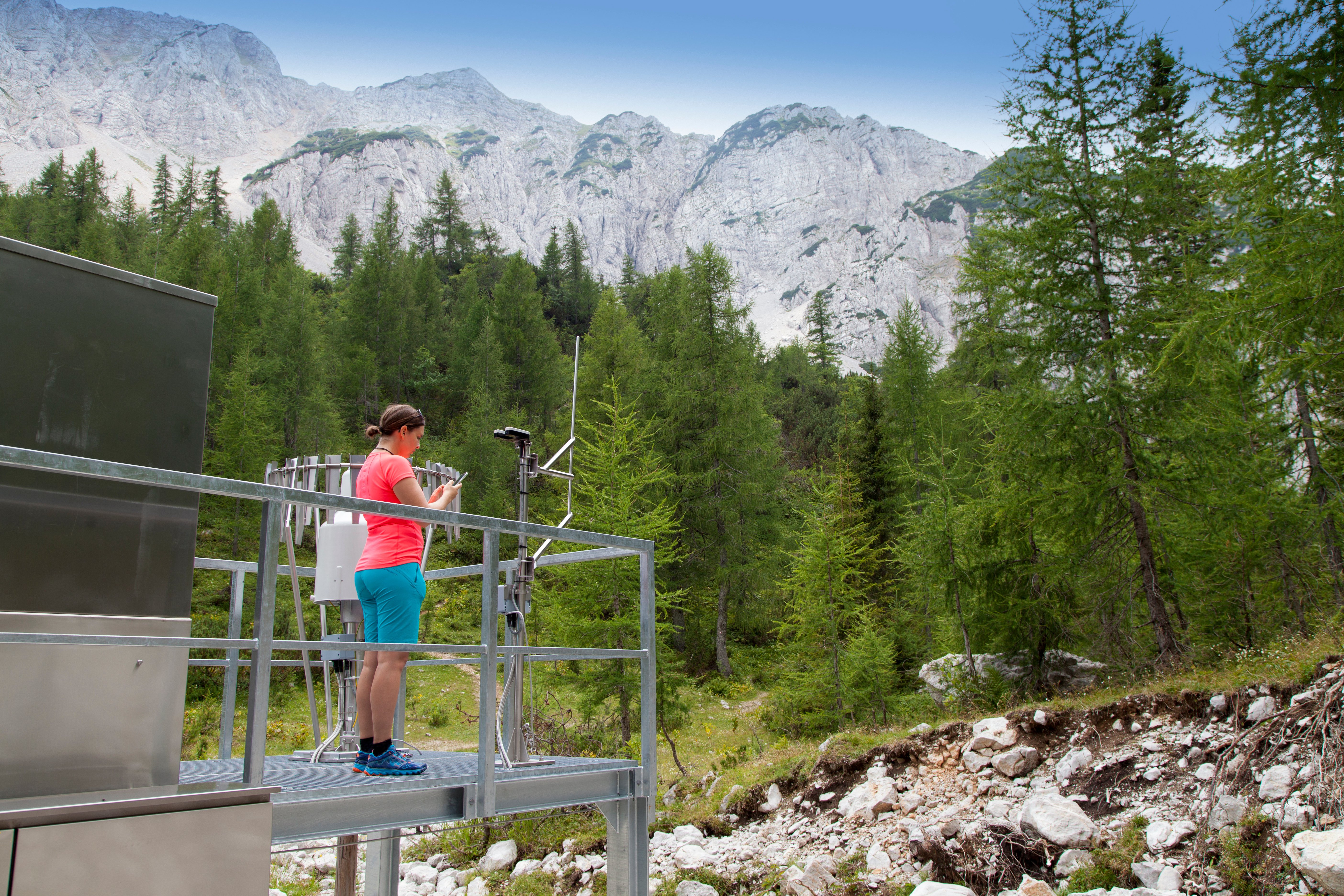
Reliable flow and discharge data supports critical water resource decisions. From watershed management and flood preparedness to infrastructure planning and environmental stewardship, monitoring programs depend on accurate measurements.
However, there is no one-size-fits-all approach to flow monitoring. Site conditions, measurement objectives, maintenance requirements, and safety considerations all play a role in determining which technology is the best fit.
Consider Site Conditions for Open Channel Flow Measurement
Every monitoring location presents unique challenges.
Water depth, channel characteristics, debris, vegetation, accessibility, and changing environmental conditions can all influence measurement performance. These factors can also influence stream flow measurements and river discharge calculations, making site evaluation an important part of any monitoring program.
Understanding site conditions is often the first step toward selecting the right monitoring approach.
Contact vs. Non-Contact Technologies for Flow Measurement
Many flow and discharge monitoring programs use contact-based technologies that operate directly within the water.
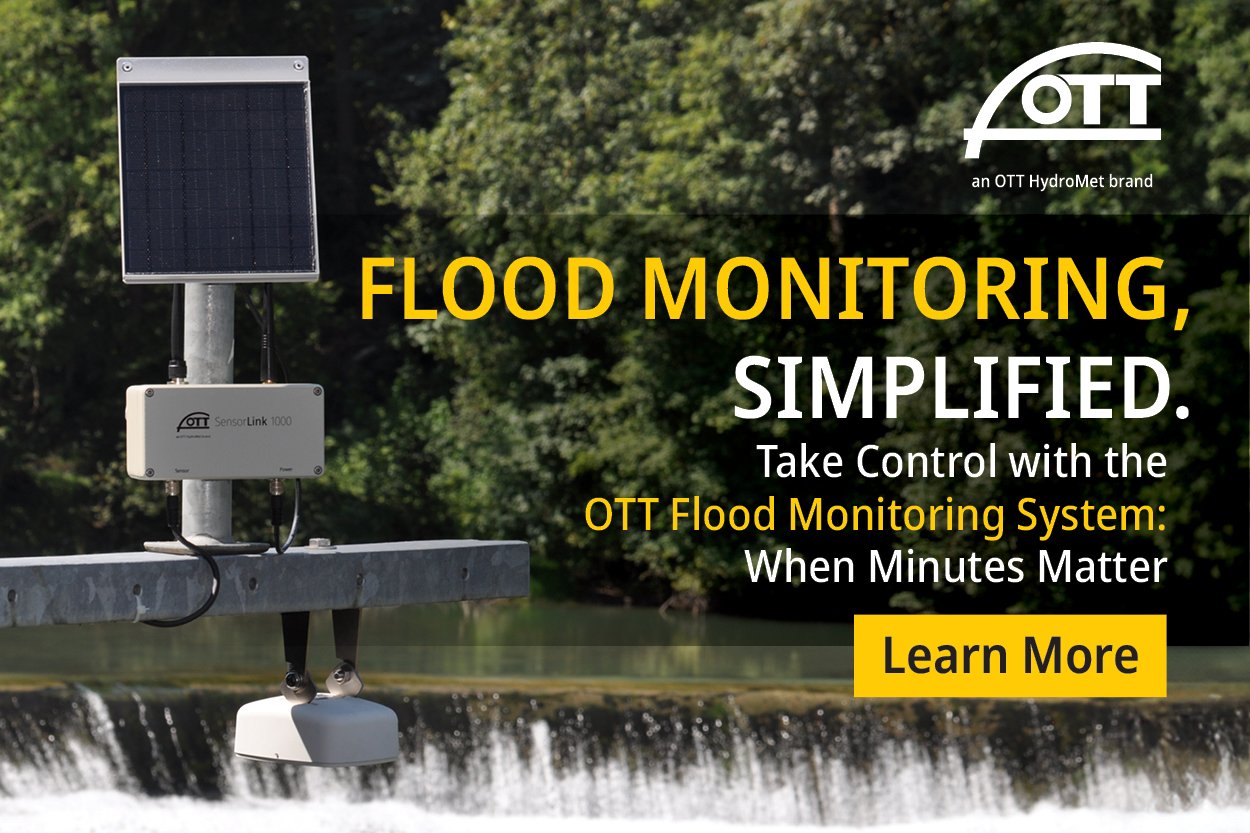
Contact technologies such as a current meter or water velocity meter are commonly used for flow measurement. In other applications, non-contact flow measurement technologies including radar flow meters and surface velocity radar systems may provide advantages where debris, high flows, or safety concerns make direct deployment difficult.
In other situations, non-contact approaches may provide advantages, particularly where debris, high flows, changing conditions, or safety concerns make direct deployment more difficult.
Selecting between contact and non-contact approaches depends on the needs of the application and monitoring location.
Continuous Water Monitoring Improves Visibility
Periodic site visits can provide valuable information, but continuous monitoring offers a more complete understanding of changing conditions.
Continuous measurements support streamflow monitoring, water level monitoring, and broader hydrological monitoring programs by providing greater visibility into changing conditions.
Reliable Measurements Improve Flow Monitoring Data Quality
The value of any monitoring program depends on the quality of the data being collected.
Selecting technologies designed for the application and environment can help improve consistency and confidence in monitoring results.
The Right Technology Depends on Your Discharge Measurement Goals
Monitoring objectives often vary from site to site.
Common discharge measurement approaches include the velocity-area method, wading rod measurements, and surface velocity radar technologies. The most appropriate method depends on site conditions and monitoring objectives.
Some programs prioritize long-term trend analysis, while others focus on operational decision-making, flood preparedness, or understanding changing watershed conditions.
The most effective monitoring approach is one that aligns technology selection with project goals and site requirements.
Reliable flow and discharge monitoring starts with understanding your site, your objectives, and the technologies available to support them.
By evaluating measurement requirements and selecting the appropriate monitoring approach, organizations can collect more reliable data and build stronger monitoring programs.
Frequently Asked Questions
What is flow measurement?
A: Flow measurement determines the rate at which water moves through a channel, stream, or river.
What is river discharge?
A: River discharge is the volume of water flowing through a channel over a specific period of time.
How is discharge measured?
A: Common discharge measurement methods include the velocity-area method, current meters, water velocity meters, and surface velocity radar technologies.