Surface water monitoring needs rarely stay the same.
What began as a single monitoring location or a specific project often evolves into a broader network supporting a growing range of operational, environmental, and regulatory objectives. As monitoring programs mature, organizations frequently find themselves asking a similar question:
Are we getting the most from our monitoring network?
The good news is that expanding the value of a monitoring program doesn't always require starting over. In many cases, organizations can unlock additional insights and efficiencies by re-evaluating how they collect, access, and use monitoring data.
1. Strengthen Visibility Across Your Monitoring Network
Accurate and reliable monitoring data is the foundation of effective water resource management.
Over time, however, monitoring needs can change. Additional sites may be added, operational priorities may shift, or stakeholders may require more frequent access to information.
Questions worth considering include:
- Are all critical locations being monitored?
- Is monitoring data easily accessible when decisions need to be made?
- Are existing monitoring stations providing the visibility required today?
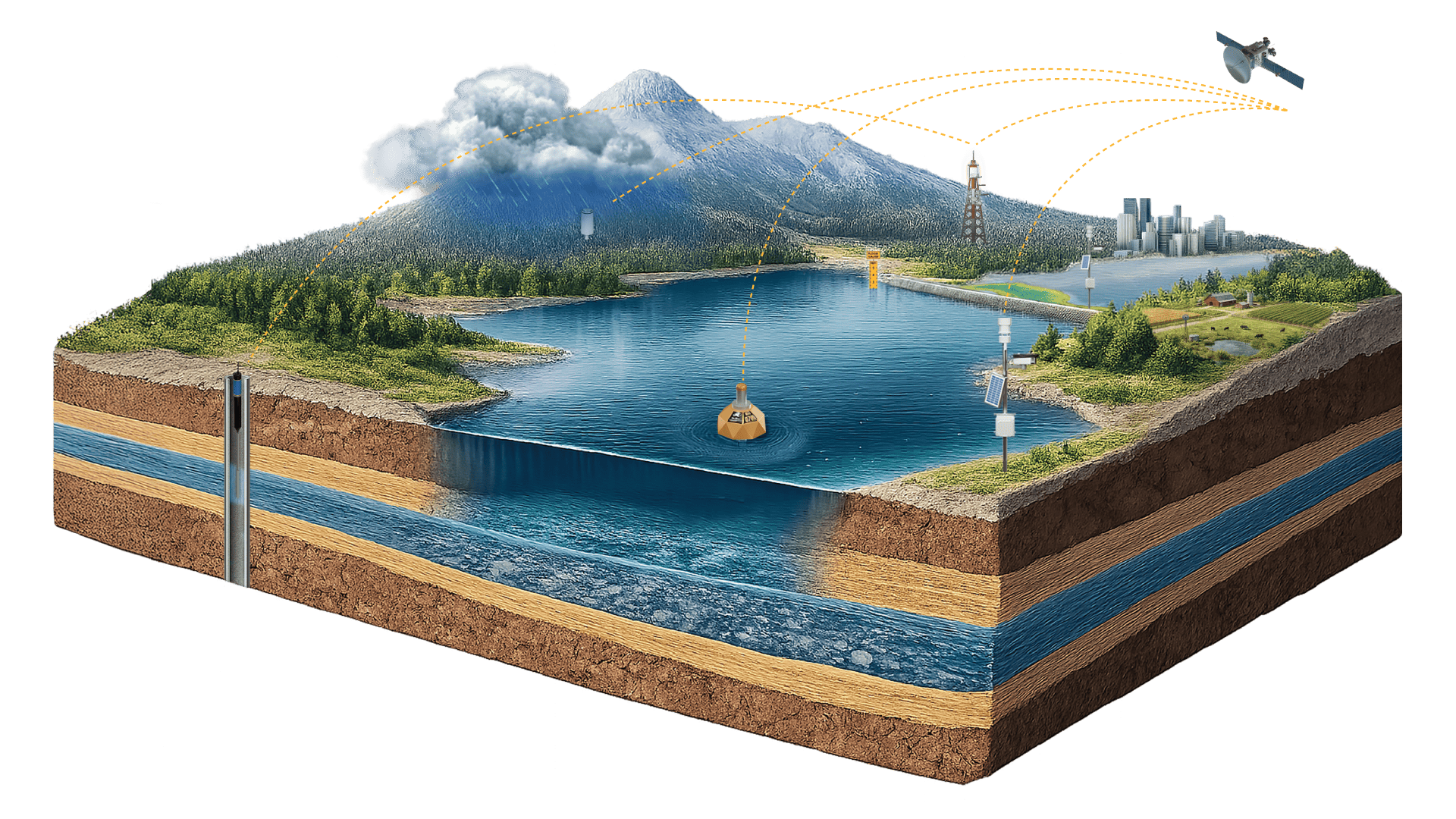
Reviewing monitoring coverage periodically can help identify opportunities to improve situational awareness across rivers, reservoirs, lakes, and other surface water environments.
2. Move Beyond Water Level Montioring
Water level monitoring is often the starting point of a surface water monitoring program, but it is only one part of the story.
As monitoring objectives evolve, many organizations begin exploring additional measurements that provide greater context around changing water conditions.
Examples may include:
By combining multiple data sources, organizations can develop a more complete understanding of what's happening within their waterways and watersheds.
The result is often more informed decision-making and greater confidence in operational planning.
3. Improve Access to Monitoring Data
Collecting quality data is important. Accessing that data when it is needed is just as critical.
Many monitoring programs continue to rely on routine site visits to retrieve information or verify conditions in the field. While these activities remain important, modern telemetry and remote monitoring technologies can help streamline the process.
Benefits can include:
- Faster access to monitoring information
- Reduced routine site visits
- Improved visibility across distributed monitoring locations
- More efficient management of monitoring programs
For organizations managing multiple monitoring stations, connected monitoring networks can significantly improve operational efficiency while increasing confidence in available data.
4. Look for Opportunities to Integrate Existing Systems
Many monitoring programs grow over time, often as a result of separate projects, funding sources, or operational initiatives.
As a result, organizations may find themselves managing multiple systems, technologies, or data sources simultaneously.
Taking a step back to evaluate existing infrastructure can reveal opportunities to:
- Simplify data management
- Improve consistency across monitoring sites
- Standardize equipment and workflows
- Enhance long-term scalability
A more connected approach can help organizations spend less time managing systems and more time focusing on the insights those systems provide.
5. Support Better Water Resource Decisions
Ultimately, the goal of any monitoring program is not simply to collect data.
The goal is to support better decisions.
Whether managing a reservoir, evaluating watershed conditions, monitoring environmental changes, or maintaining critical infrastructure, access to reliable information helps organizations respond with greater confidence.
As monitoring programs evolve, periodic evaluation can help ensure networks continue providing value and supporting the objectives they were designed to achieve.
What's Next for Your Monitoring Network?
Every monitoring program is different.
Some organizations may be looking to improve water level visibility. Others may be exploring flow measurement, telemetry, or ways to better connect monitoring locations across a broader network.
Wherever your organization is in its monitoring journey, taking time to evaluate current capabilities may uncover new opportunities to improve visibility, increase efficiency, and support better decision-making.
Explore what's possible and discover new ways to expand the value of your surface water monitoring network.