



Skip to content
  • There are no suggestions because the search field is empty.
Close
  • Products
  • Services
  • Applications
  • Resources
  • Company
  • Support
  • FAQ
  • News & Announcements
  • Careers
  • About
  • In-Situ.com

Flow & discharge: measure with confidence in any condition

When you’re responsible for understanding the movement of water, every measurement counts—to your watershed, your community, and the decisions that depend on you. Ott supports water resource professionals who stand in the elements and turn raw data into insights that safeguard people and the planet.

Find the Right Approach for Your Application

Every monitoring site has unique requirements. Contact our team to discuss your flow and discharge monitoring needs and explore solutions suited to your site and measurement goals.


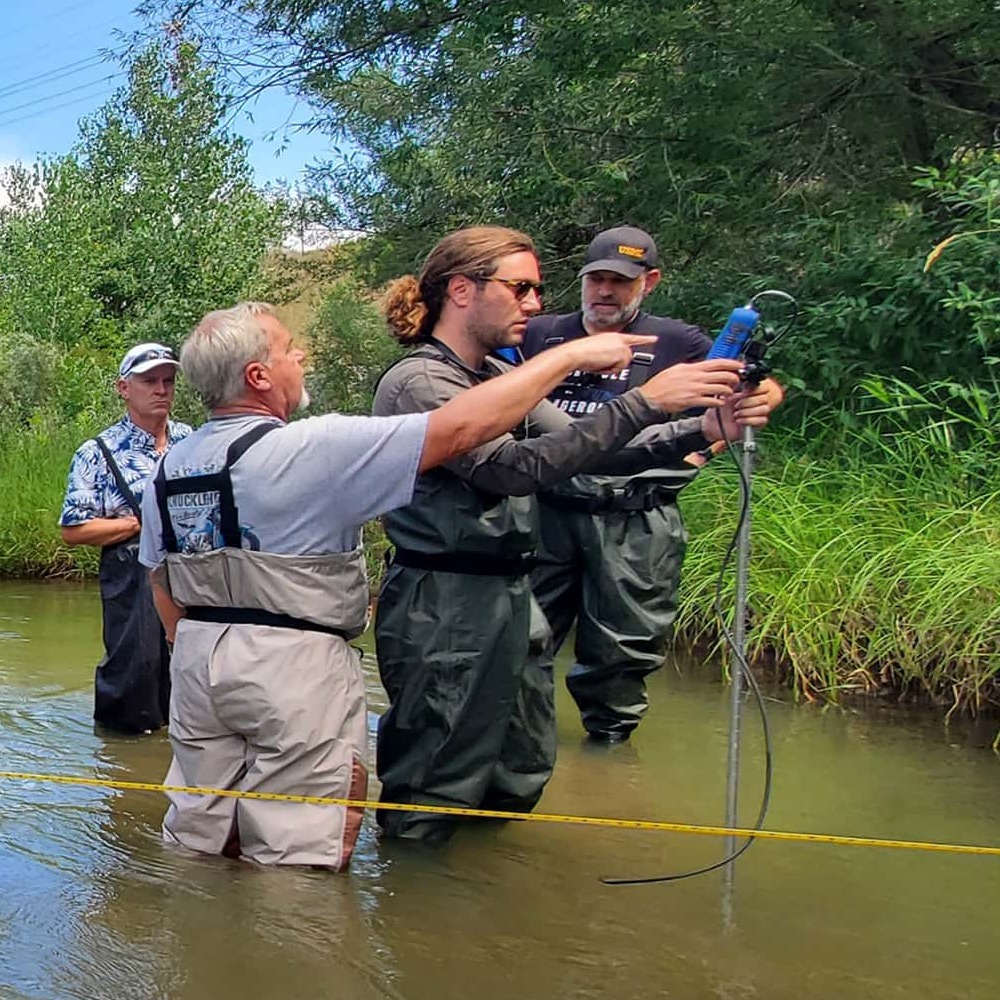
Hydrologist collecting velocity and depth readings for discharge calculations in river

Reliable measurements when decisions depend on it

Rivers are dynamic systems and measuring them demands both curiosity and discipline. From fast‑rising floods to low‑flow challenges, uncertainty is always part of the landscape.

Ott equips you to meet these challenges by interpreting rivers with confidence, giving you the tools to defend every data point—whether the water is low, roaring, or transforming the channel beneath it.

For hydrologists, by hydrologists 

Icon-Target

Fit‑for‑purpose methods

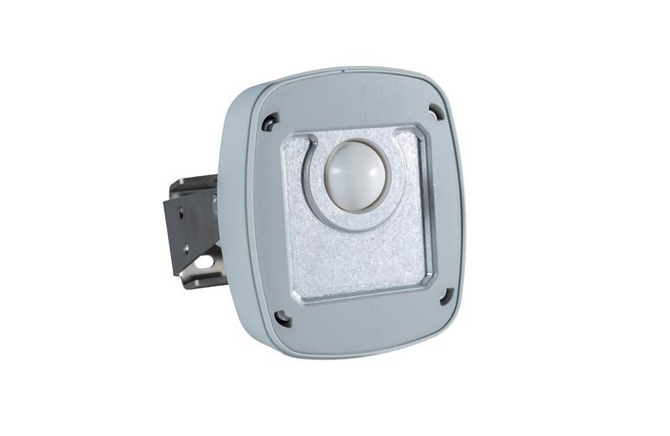
Whether a site demands non‑contact radar, point measurements, or continuous monitoring you choose with confidence.

Icon-Checkmark-Paper

Built for tough environments

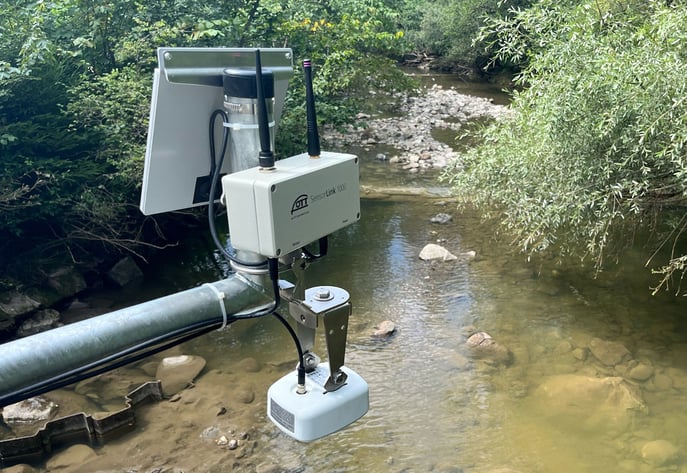
IP‑rated housings, anti‑fouling options, and integrated heating/ventilation in enclosures keep systems online through storms and seasons.

Icon-Badge

Decades of expertise

Our team supports networks and agencies on every continent with local service to keep downtime to a minimum.

Icon-Gear-Magnifying-Glass

Actionable insights

Transform measurements into meaning. QC flags, rating curve tools, and dashboards turn raw measurements into defensible discharge records.

Support that keeps your data flowing

Frequently Asked Questions

What are the primary methods used to measure discharge?

Hydrologists typically rely on four well‑established approaches:

  • Velocity–area method: divide the cross‑section into subsections, measure depth and velocity, sum all contributions.
  • Rating‑curve method: relate continuous water level (stage) to discharge at a gauging station.
  • Non‑contact surface‑velocity methods: use radar or imaging to estimate surface speed and infer mean velocity.
  • Direct and indirect alternatives: such as dilution methods, slope‑area methods, or hydraulic structures (e.g., weirs, flumes).

What technologies are commonly used to measure flow and discharge?
How long has Ott been developing hydrological measurement solutions?
How important is site design in monitoring flow and discharge?

Talk with an application specialist