Measuring snowfall in Antarctica is one of the most challenging tasks in environmental monitoring. Strong winds, drifting snow, and extreme temperatures make it difficult to accurately quantify precipitation accumulation. Scientists at McMurdo Station are using advanced precipitation gauges and meteorological instruments to improve Antarctic snowfall measurements and better understand how snow accumulation affects global sea level rise.
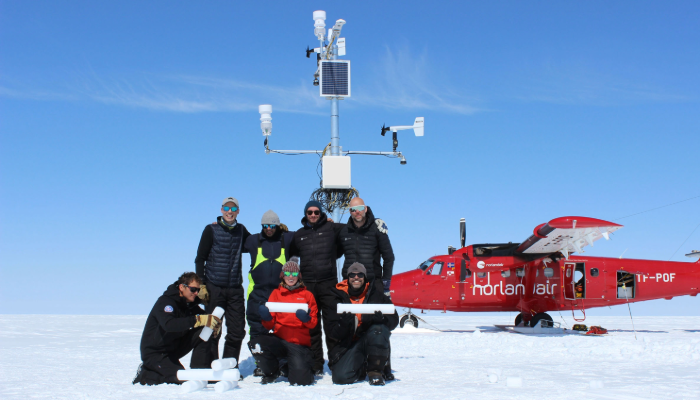
With funding from the National Science Foundation, which oversees the U.S. Antarctic Program, the team is addressing this issue by deploying a purpose-built Antarctic Precipitation System (APS). As part of a two-year initiative, four APS installations have been deployed across Antarctica.
How the OTT Pluvio² L Measures Snowfall
As part of the Antarctic Precipitation System (APS), researchers use the OTT Pluvio² L weighing precipitation gauge to accurately measure snowfall accumulation. Unlike traditional tipping bucket rain gauges, the OTT Pluvio² L uses highly sensitive load-cell technology to continuously weigh precipitation as it collects in the gauge.
As snow falls into the collector, the gauge measures changes in weight and converts this information into precise precipitation data. This weighing principle enables the sensor to accurately measure rain, snow, sleet, and mixed precipitation, making it particularly well-suited for polar environments where precipitation can occur in different forms.
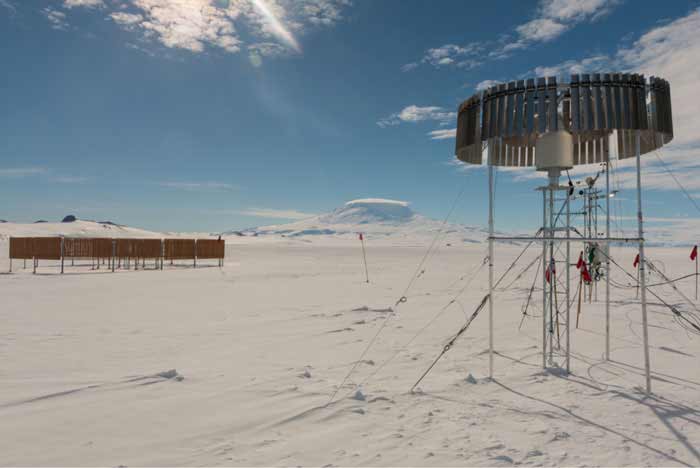
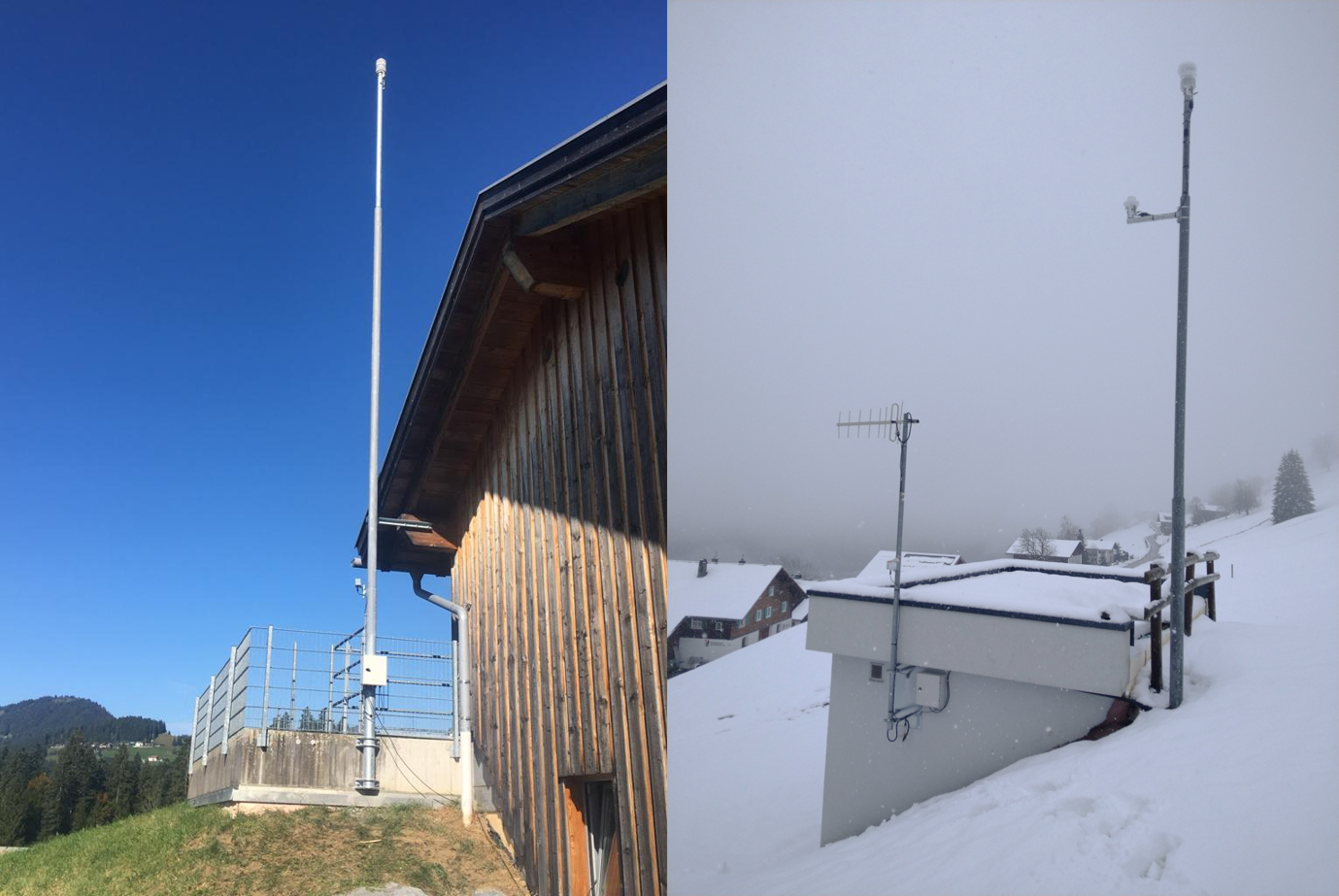
For Antarctic deployments, the gauge is mounted approximately 3.5 meters above the ground and paired with a wind shield. This configuration helps minimize the impact of blowing snow and improves catch efficiency, allowing researchers to better quantify actual snowfall events. By capturing small changes in precipitation accumulation, the OTT Pluvio² L helps scientists evaluate snowfall patterns with a level of accuracy that is essential for climate and hydrological research.
"We want to demonstrate that we now have the capability to measure the really small amounts of snow that accumulate from event to event in the Antarctic environment,"
- Scott Landolt, Associate Scientist with the National Center for Atmospheric Research
Antarctic Precipitation System (APS) Monitoring Network
To support the research objectives, the team installed a range of snowfall monitoring instruments, including a particle size sensor and an elevated OTT Pluvio² precipitation gauge equipped with a wind shield. Additional weather sensors collect temperature, wind speed, and snow accumulation data, while a day-and-night webcam continuously monitors site conditions. Nearby Antarctic Weather Stations provide supplementary environmental data, helping researchers validate and interpret observations.
Research Sites Across Antarctica
Four APS sensor systems have been deployed across Antarctica and will operate over a two-year period:
- Williams Airfield
- Phoenix Airfield near McMurdo Station
- The "Lorne" AWS site on the Ross Ice Shelf
- "Tall Tower," located approximately 100 miles southeast of McMurdo Station
Together, these monitoring locations help researchers compare snowfall accumulation across different Antarctic environments and improve their understanding of regional precipitation patterns.
Why Antarctic Snowfall Data Matters
Reliable snowfall measurements are essential for improving climate models and understanding how the Antarctic ice sheet responds to a changing climate. By collecting more accurate precipitation data, researchers can better assess snow accumulation rates, refine predictions of future sea level rise, and improve knowledge of polar weather and climate processes.
The deployment of advanced monitoring technology such as the OTT Pluvio² L demonstrates how innovative environmental sensors are supporting the next generation of climate research in some of the world's most challenging environments.
Note: This article was originally published under OTT HydroMet in 2017. As of April 2026, we are now known as Ott. The content has been reviewed and remains accurate.